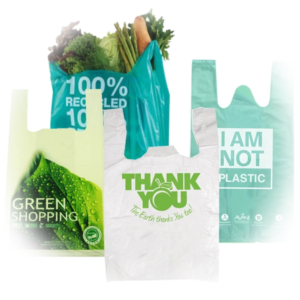
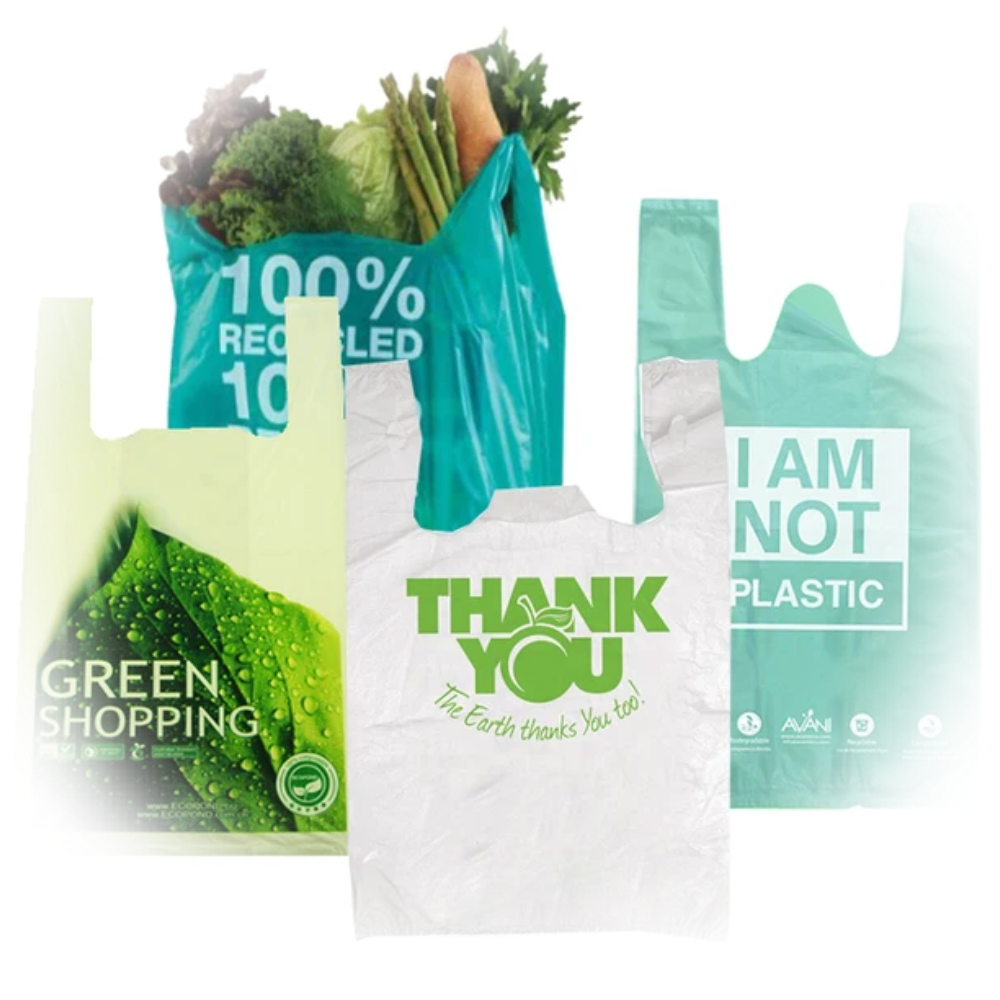
Biodegradable plastic refers to a type of plastic material that can break down and decompose naturally through biological processes, typically by the action of microorganisms such as bacteria or fungi. Unlike traditional plastics, which can persist in the environment for hundreds of years, biodegradable plastics are designed to minimize their impact on the ecosystem by undergoing degradation and eventually transforming into natural elements.
There are different types of biodegradable plastics, including:
1. Starch-based plastics: These are composed of starch, usually derived from corn or potatoes. Starch-based plastics can degrade in the presence of moisture and microorganisms. However, they may require industrial composting conditions to break down effectively.
2. PLA (Polylactic Acid): PLA is a popular biodegradable plastic derived from renewable resources such as cornstarch, sugarcane, or other plant-based materials. It is often used in packaging, disposable cutlery, and 3D printing. PLA can break down into lactic acid through composting or natural processes.
3. PHA (Polyhydroxyalkanoates): PHA is a group of biodegradable plastics produced by microorganisms through fermentation of plant-based sugars. They are versatile and can be used in various applications, including packaging, medical products, and agricultural films. PHA plastics can decompose in industrial composting systems and natural environments.
It’s important to note that not all plastics labeled as “biodegradable” are truly environmentally friendly. Some plastics may require specific conditions, such as high temperatures or specific microorganisms, to degrade effectively. Additionally, certain biodegradable plastics may leave behind harmful residues during the degradation process. To ensure proper disposal and minimize environmental impact, it’s crucial to follow the recommended disposal methods for specific types of biodegradable plastics, such as composting facilities or recycling programs designed to handle them appropriately.
What is PBAT
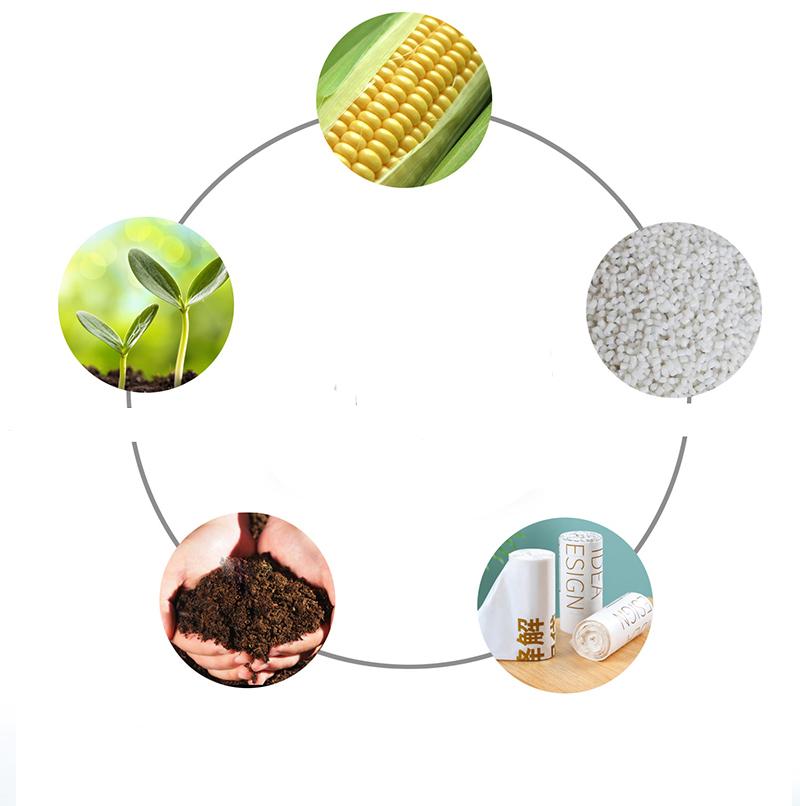
PBAT stands for Polybutylene Adipate Terephthalate, which is a type of biodegradable and compostable polymer. PBAT granules refer to the small particles or pellets of PBAT that are used as a raw material for various plastic products.
PBAT granules possess properties similar to conventional plastics but with the added benefit of being biodegradable and compostable under the right conditions. They can be processed using conventional plastic processing techniques, such as extrusion, injection molding, and blow molding, to manufacture a wide range of products like packaging films, bags, food containers, agricultural films, and more.